Rick Rubin is unlike any other music producer in history. He doesn't play instruments, doesn't know how to operate a mixing board, and famously claims he "knows nothing about music." Yet, he has produced some of the most influential albums of the last forty years, working with artists ranging from the Beastie Boys and Red Hot Chili Peppers to Johnny Cash and Adele.
How does a man with no technical music skills consistently guide artists to their greatest work?
In this compiled Q&A interview, we explore Rubin’s creative philosophy, drawing from his decades of studio work and his bestselling book, The Creative Act: A Way of Being.
Q: You often say you don’t have technical skills. What is your role in the studio?
Rick Rubin: My role has very little to do with the technical side of making a record. I don't know how to operate a soundboard. Instead, my job is to listen—really listen—and to help the artist get out of their own way.

Most artists suffer from overthinking. They worry about radio play, budgets, or what their fans want. I try to create an environment where none of that exists. We focus entirely on what feels true in the moment.
Q: How do you create that kind of environment?
Rick Rubin: It starts with the space. A recording studio shouldn't feel like an office or a high-tech laboratory. It should feel like a sanctuary. I like warm lighting, comfortable seating, and no distractions.

When we produced the Red Hot Chili Peppers' Blood Sugar Sex Magik in 1991, we didn't rent a typical studio. We rented a large, supposedly haunted mansion in Laurel Canyon. The band lived there, ate there, and recorded there. It felt like a creative camp rather than a job.

Q: In your book, you write about the "Art of Listening." Why is that so crucial?
Rick Rubin: Listening is the ultimate creative act. Most people hear music, but they don't listen. When we listen deeply, without thinking about what we're going to say next or how we're going to edit it, we begin to feel the small nuances.
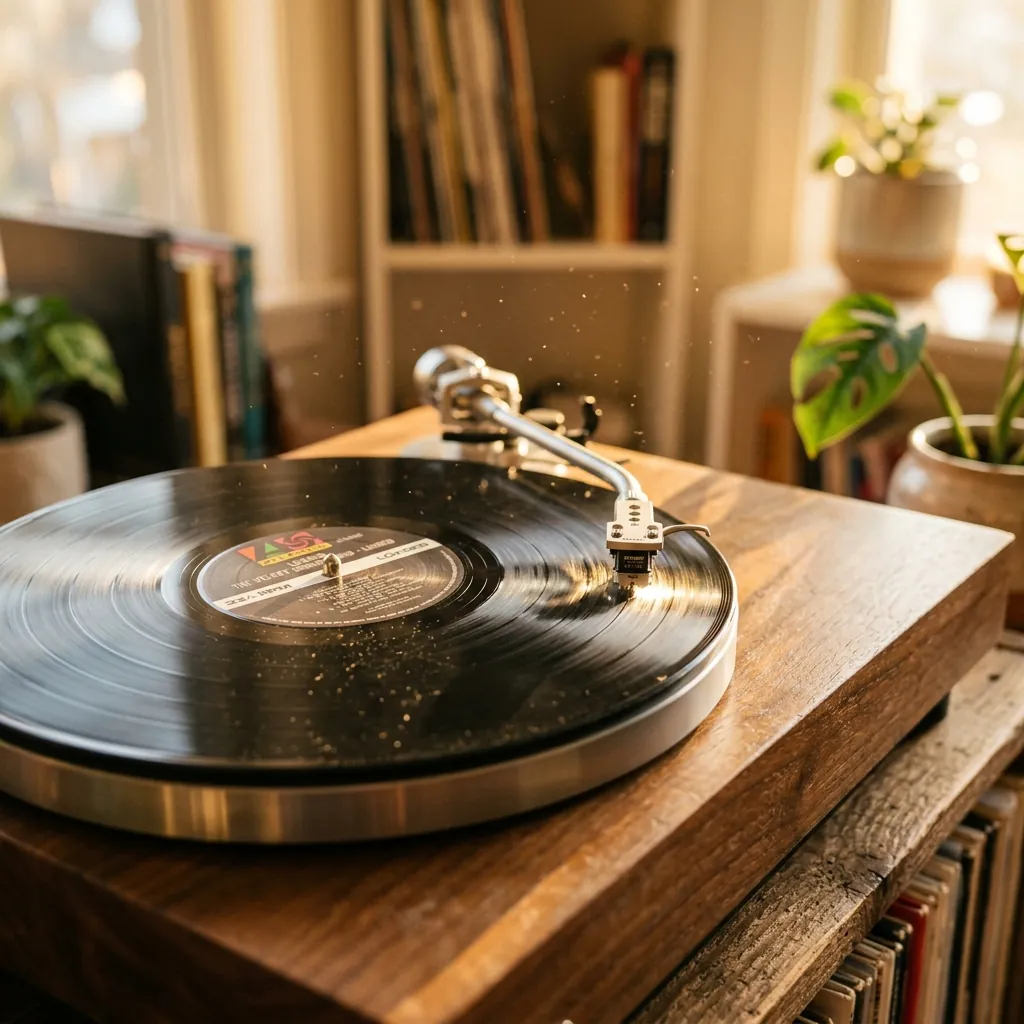
I often have artists sit in front of the monitors, close their eyes, and just experience the track. We listen to it ten times in a row, focusing on different elements each time. You'd be amazed at how much details reveal themselves when you truly pay attention.
"The power of nature is what all art striving to be. The more we can tune in to the harmony of the universe, the more resonant our art will be. Our job is not to create, but to receive and translate."
— Rick Rubin, The Creative ActQ: What advice do you have for bedroom producers and independent artists?
Rick Rubin: Do not make art for an audience. Make art for yourself. The moment you start thinking, "Will people like this chord progression?" or "Is this beat commercial enough?", you are no longer making art; you are making a commercial product.
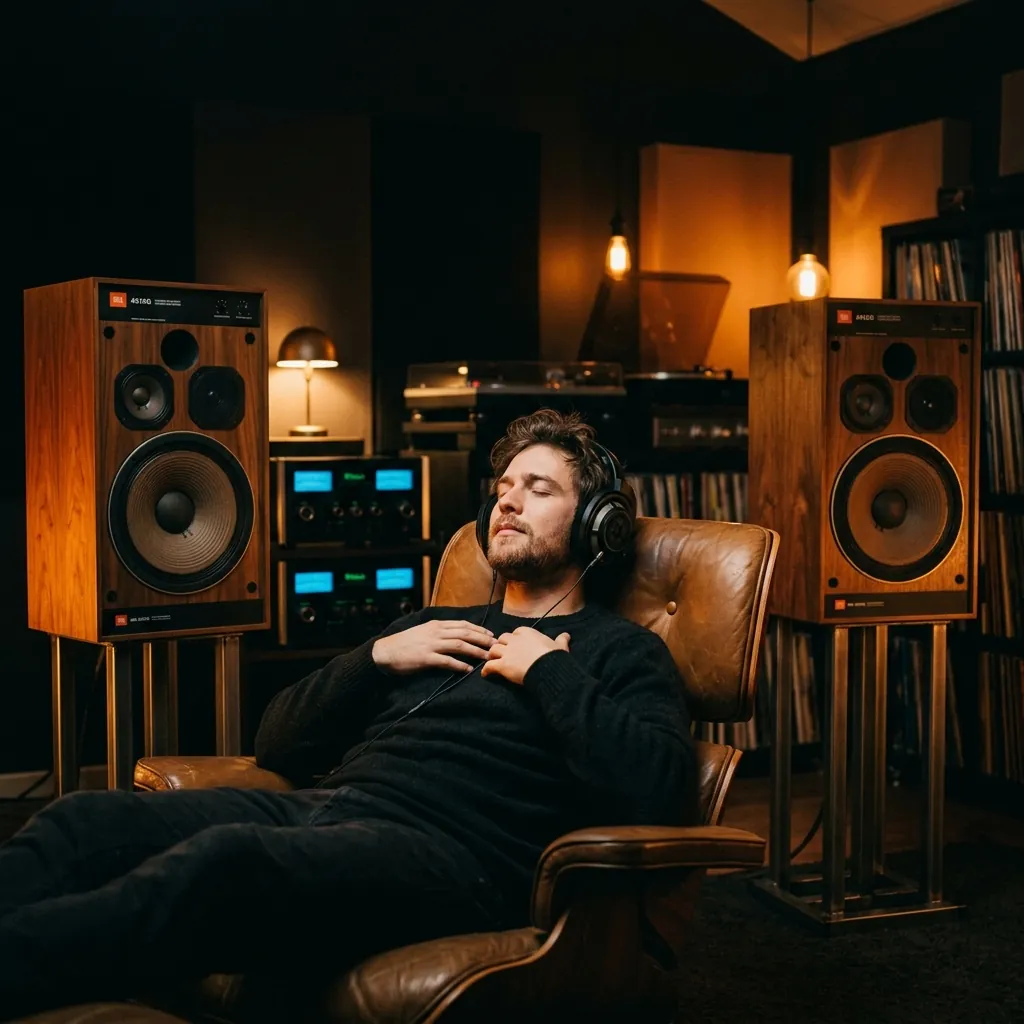
Build your taste. Trust your intuition. If something makes you feel excited, then it is good. That is the only compass you have.
Practice Deep Listening with Mazmazika
Are you ready to practice deep listening and study how professional mixes are put together? Use Mazmazika's Vocal Remover & Instrumental Isolator to isolate vocals and analyze the subtle reverbs and delays, or start laying down your own intuitive beats with our Online Beatmaker today!